A Quiet Hour at Home That Feels Like a Change of Scene
A quiet hour at home can feel like a change of scene: use a simple sensory ritual to mark the shift, settle your attention, and return refreshed.

The most common mistake with a quiet hour at home is treating it as a smaller version of an ordinary evening: sit in the same spot, keep the same screen nearby, and hope free time will somehow feel different. That can leave your mind in work or chore mode. A simple change in sensory cues—a different chair, a window cracked open, or the familiar smell of tea—can make the hour feel like its own little place in the day.
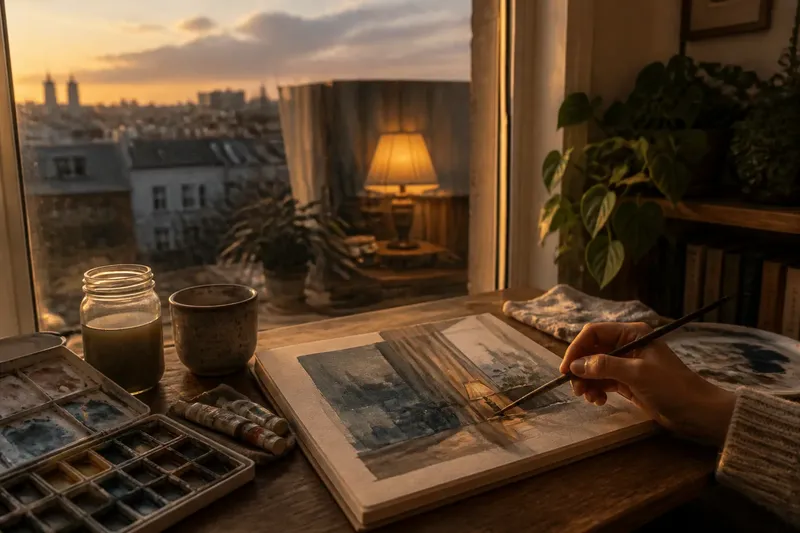
Think of the hour as a change of scene, not a task to complete. You do not need a special room or elaborate ritual. A few cues that distinguish this time from the rest of the day can help your attention settle around reading, drawing, listening to music, or another pastime you already enjoy.
How can a quiet hour at home feel distinct?
Begin by noticing what usually marks your day. If you work at the kitchen table, move to an armchair or sit near a window. If the house is often noisy, close the door or choose a familiar instrumental album. The contrast can be small; it just needs to register as a change.
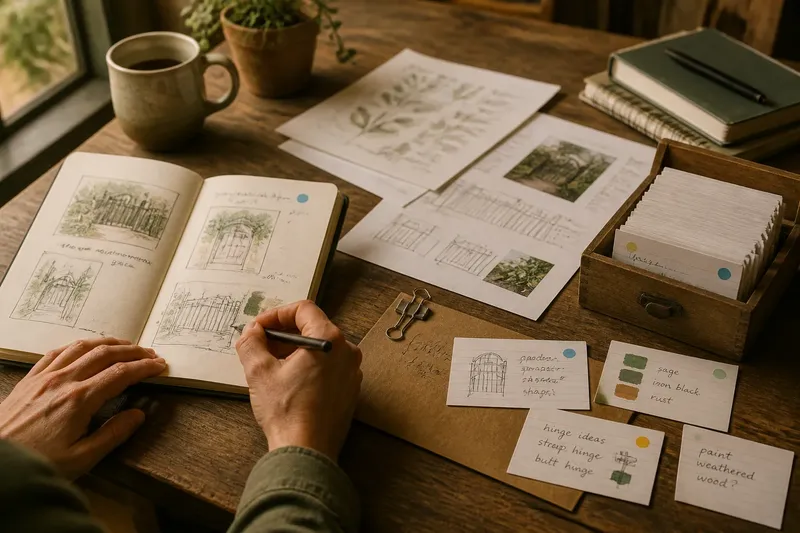
Choose cues that suit the activity rather than adding a collection of new tasks. For reading, a lamp and a comfortable chair may be enough. For sketching, clear a small patch of table and set out a pencil and paper. A warm drink can add comfort, but it need not become a project involving special ingredients or careful preparation.
Say you have a free hour after working at the kitchen table, and your hypothetical starting point is a novel, a window seat, and an ordinary mug. First, move the book and mug to the window seat. Next, turn off the laptop and sit down with the book, opening the window if the room feels stuffy. If the new spot feels calmer and the story holds your attention, stay there; if outside noise is distracting, close the window and keep the other cues. The result is a distinct reading pause without rearranging the room.
Which cues help without becoming chores?
Use a small set of cues that you can repeat easily. A different seat, a lamp with a warm glow, or a short stretch before you begin can signal that the pace is changing. Repeating one or two familiar choices can make the transition recognizable without requiring a schedule.
Notice how each cue affects the activity. Background music may soften household sounds, but lyrics can compete with a novel or crossword. A scented candle may feel pleasant, but skip an open flame if you might doze or leave the room; an unscented lamp or a cup of tea can provide a safer, simpler change in atmosphere.
- Check whether your usual seat is associated with chores; if it is, move to a different chair, or stay put if the familiar seat feels restful.
- Check whether the light is comfortable for your chosen pastime; if the page or craft materials are hard to see, switch on a nearby lamp, or choose an activity that suits the available light.
- Check whether household noise breaks your attention; if it does, close the door or try familiar instrumental music, or keep the room quiet if added sound distracts you.
- Check whether a drink or blanket adds comfort without delaying your start; if it does, bring one along, or begin without it if preparation is becoming the main event.
- Check whether your phone is interrupting the activity; if it is and you do not need to be reachable, place it on a shelf across the room, or keep it nearby with notifications adjusted if you must stay available.
- Check whether the chosen cue is easy to repeat next time; if it is, keep it as part of your ritual, or replace it with a simpler cue if it takes too much effort.
How do you keep the transition from feeling forced?
A ritual should make starting easier, not impose a performance. You might close the work laptop, wash your hands, and carry a book to the couch. If you prefer to go straight from a household task to a pastime, that works too; the cue can be as brief as putting the dish towel down and turning on a reading lamp.
Keep the activity flexible. If the novel feels hard to follow, switch to a familiar album or a sketchbook already within reach. The point is to change the feel of the hour, not to prove that you can stick to a plan.
It is not worth buying special decor, clearing every surface, or designing a elaborate routine before you try this. Use the chair, lamp, and materials you already have. If the first cue you choose feels fussy, leave it out next time.
What questions come up about a quiet hour at home?
What can I do if I share my space?
Choose a cue that does not require control of the whole room, such as using headphones, moving to a bedroom chair, or placing a small sketchbook on your lap. If privacy or quiet is unavailable, pick an activity that can tolerate interruptions, like knitting a familiar pattern or listening to an album.
Can a quiet hour work without a separate room?
Yes. A different seat, a small tray for your book and glasses, or a lamp switched on only for leisure can distinguish the time even in a shared living space.
What if the usual cue stops helping?
Change one element rather than rebuilding the whole ritual. If music has become distracting, try silence; if the chair feels uncomfortable, move to the sofa and keep the same activity.
Should I use a timer?
Use one if you have a commitment to meet afterward, and set it somewhere you will hear without watching the clock. If you have no scheduled obligation, you can stop when you naturally want to move on.
How can you tell whether the change of scene helped?
Look for an ordinary, observable difference: you began without scrolling for a long while, stayed with the activity more easily, or felt ready to return to the evening afterward. If none of that happens, the cue may not suit your mood or the room. Adjust one thing next time rather than judging the whole idea.
A quiet hour at home does not need to be perfectly silent or carefully arranged. Let one small change mark the pause, then give the chosen pastime room to unfold. The most useful cue is the one you can repeat on an ordinary day without thinking much about it.